







Blog

What to do in case of a small injury or abrasion?
Do you have an injury? Here is a simple and natural treatment: Procedure: After cleaning the wound with water, then apply one or two drops of authentic Lavender essential oil to the skin (for its antiseptic and healing properties)....and that's it!
Read moreBlog

Fever:how to fix it?
What is fever? Fever, this rise in temperature, is a sign that the body is defending itself. The liver raises this temperature to expel an unwanted microbe or to fight against a more aggressive virus. The average normal body temperature is 37 C (between 36.5 C and 37.5 C, depending on the individual). We are talking about mild fever up to 38C, moderate fever between 38 and 38.5C and high fever above.delà. Feverish state: when to worry ? Signs that the fever is poorly tolerated are a temperature that is too high (39C and above) or one that lasts too long and leaves you exhausted. You may also experience intense pain, spasms, severe headaches or even experience an episode of delirium where your words become confused. It is important to monitor fever, as the patient may lose strength.. Exhausted, the body can no longer defend itself effectively against the aggressor. We must therefore ensure that the fever remains well tolerated and, if not, try to bring it down.. Rest and medicinal plants: simple treatments for fever If you have a fever, the best remedy is to lie down, rest and drink plenty of fluids. But remember that treating a fever to suppress it is not recommended, because, by doing this, you also cut off the defensive reactions put in place by your body and your immune system. Only a fever that is too intense and poorly tolerated (for example which peaks at 40C or which stagnates at 39C) should be cut. In this case, febrifuge medicinal plants (which reduce fever) are recommended.s. Here are some febrifuge plants: Essential oil ofeucalyptus, also called fever tree (if accompanied by respiratory problems) of pepper mint (if accompanied by headache) oforange (if accompanied by depression or stress) Hydrotherapy Cold hydrotherapy (water treatment), well dosed, is the best way to bring down the fever, without cutting it. Contact of cold water with the body causes it to lose excess heat, which also slows down the intensity of metabolism. The most common applications are wrapping certain parts of the body using a damp cloth. For example, you can wrap your calves in cloths previously soaked in cold water, then lightly wrung out. Dip again and change places. Repeat 3 to 4 times, 3 times a day. Remember: being feverish makes you tired. So remember to take care of yourself by giving yourself some rest and hydrating yourself well (drink at least 1.5 liters of water per day). Finally, if you need a boost, don't hesitate to take meadowsweet capsules which are similar to natural aspirin or the appropriate essential oil depending on your state of health.
Read more
How to relieve an ear infection?
L'otitis is an infection or inflammation of the ear. The so-called otitis media affects a small bony cavity in thel’middle ear, located exactly behind the eardrum. This cavity is connected by a tube, called the Eustachian tube, to another cavity, which is located at the back of the throat and nasal passages. It is often through this conduit that virus where the bacteria rise towards the middle ear. And it's usually following a cold or pharyngitis (sore throat). L'otitis media can affect the entire population, but especially affects children. It usually results in ear pain and fever. Causes of acute otitis media Most often, ear infections are the consequence of a viral infection, first manifesting as a cold or pharyngitis. Then, as a result of the runny nose, viruses can reach the middle ear. Of course, otitis media can give rise to complications (see below), but not all otitis media lead to these diseases. It is therefore unnecessary and sometimes harmful to systematically resort to antibiotics. In 60% to 70% of cases, a bacterial infection is then associated with the viral infection (we speak of bacterial superinfection). Causes of persistent and recurrent ear infections Persistence of infected fluid in the ear after an acute otitis. A perforated eardrum that has not closed contributes to persistent middle ear infection. Allergic rhinitis (Or hay fever) or untreated allergies. The inflammation of adenoid glands (when infected, they can block the Eustachian tubes). Possible complications L'acute otitis rarely causes serious complications. However, its most frequent complications are serous ear infections and the recurrent ear infections. Serous or recurrent otitis media can lead to hearing loss. This can, in certain cases, hinder and delay the child's language learning, hence the importance of identifying and treating them. From rare complications, but still possible otitis media, we note labyrinthitis, mastoiditis, meningitis, facial paralysis and cholesteatoma. Labyrinthitis and mastoiditis are forms ofinternal otitis. Furthermore, during a middle ear infection, the internal fluid puts pressure on the eardrum, which can become very painful. It may follow a perforated eardrum. Pus or blood will then flow from the affected ear. It may seem worrying, but the rupture of the tympanic membrane relieves the pain and most of the time heals on its own within a few days. If the tympanic membrane perforates frequently, surgery may be necessary. Recommendation Magnesium and vitamin C supplement (OrthoMag+ with good vitamin C): for work on immune defense. Strengthens the system by stimulating phagocytosis. Allows you to better fight infectious diseases. Participates in the formation of antibodies. Formula 66: Liquid to introduce into the ears for its bactericidal, antiseptic and healing action. In the hour following the application of Formula 66, the pain goes down considerably and most often completely. Food. During otitis, completely avoid: dairy products, oats, reduce meats (especially red ones), sugars, refined flour products (white bread, flour, pasta). Food. Favor: Sunflower, flax and pumpkin seeds, nutritional yeast, grain-fed chicken, lean fish, eggs, fresh juice, cold-pressed oils, cereals, rice, barley, tapioca, vegetables Rest Make sure you have good intestinal regularity. To drink a lot of water. Furthermore, if the ear infection persists after a few days, and especially if the general condition worsens and the temperature rises too high, do not hesitate to consult a doctor.
Read more
Relieve sore throat naturally
THE sore throat is a symptom rather than a disease in itself. Sore throat is one of the most common reasons for medical consultations. In 80% to 90% of cases, a sore throat is caused by a virus. More rarely, in 10% to 15% of cases, it is the result of a bacterial infection. Most sore throats, although uncomfortable, improve on their own within 5 to 7 days. If the problem persists, consult a health professional. Advice: Any sweet candy with honey can help salivation. There is no need to use medicated candies. You can also gargle with warm salt water (but not with aspirin, which can increase throat irritation). Increase humidity in the house. A little lemon juice potion is always a good idea. Sleep with a woolen stocking or other woolen material wrapped around your heart. In either case, it will be beneficial to drink plenty of water. Water actually helps to make secretions more liquid and facilitates their elimination; it also moistens the throat. Also drink hot liquids (broth, honey, lemon) and take mint lozenges to reduce local irritation. Keep warm. NO SMOKING. Medication at this stage is not recommended. Recommendations: Take a supplement containing magnesium, such asOrthoMag+. Vitamin C is highly recommended. Gargle this with essential oils. Here is a recipe that has proven itself: 12 ml of vegetable oil 1 ml of Lemon 1 ml ofEucalyptus and 1 ml of Red Thyme And voila!
Read more
Relieve your cough!
Faced with wet or dry coughs, it is possible to resort to self-medication. You cough don't smoke!! Two days after catching the virus, the first symptoms of a cold appear in the infected person: sore throat, hoarseness, sneezing, runny nose. Shortly after, headaches, watery eyes, blocked noses and more or less wet coughs typically occur. Obviously, if you cough, it is important to stop smoking. So put your pack of cigarettes aside and stay away from all smokers for a while.. Cough suppressants for dry coughs Dry cough is an irritation of the throat. Inflammatory, acute and without secretions, it is often painful. Worse at night, it can be relieved by cough suppressant products. Essential oils and cough suppressants act directly on the cough. Here are 2 essential oils with a cough suppressant function: Eucalyptus And Cypress. Thinners against wet coughs As an essential defense mechanism, it is important to respect the wet cough and not necessarily try to stop it. It is therefore not recommended to take antitussive medications (= cough medications), as these block the cough reflex, they can cause an accumulation of mucus in the bronchi and lungs, which risks further clogging the respiratory tract. . Generally speaking, the treatment of wet cough varies depending on the cause and the origin of the disease is treated. The treatments simply consist of promotingexpectoration of pulmonary mucus. Treatment of wet cough consists of: Stay well hydrated, drink at least 1.5 L of water per day so that the sputum is sufficiently fluid to be properly evacuated. Ventilate all rooms. Use an air humidifier. Diffuse eucalyptus essential oil. Above all, do not smoke or be in the presence of smokers or any other irritating factor in the ambient air. Unclog the nose with salt water several times a day. Aromatherapy The essential oils (EO) used to combat wet coughs are Eucalyptus or Cypress essential oil at a rate of 3 drops in a spoonful of honey, 3 times a day. Also strengthen your immune system by consuming a supplement rich in magnesium, zinc, iron and copper such as Nergyform. Wet cough: when to consult ? If wet cough is generally benign, it can also reveal more serious pathologies (chronic bronchitis, significant bacterial infection, pneumonia, pulmonary edema, tuberculosis, asthma). In the event of prolonged wet cough, purulent appearance of secretions or cough accompanied by blood, vomiting, or fever or significant fatigue, it is important to consult a doctor as quickly as possible.. How to prevent wet cough ? We cannot prevent the cough itself, only prevent the illnesses associated with the symptom, such as respiratory infections. It is appropriate, for example: ofavoid the use of air conditioners, which dry out the air and respiratory tract, to regularly ventilate your house, wash your hands regularly, use paper tissues to blow your nose and/or spit and throw them away immediately. And not : overheat your interior cough without putting your hand over your mouth, shake hands if you are sick or with someone who is sick.
Read more
What to do during sinusitis?
Sinusitis refers toinflammation mucous membranes that cover the inside of the sinuses. Each sinus communicates with the nasal passages through small openings, through which the mucus produced in the sinuses normally flows. Inflammation of the lining of the sinuses, also called rhinosinusitis, is usually caused by a viral or bacterial infection. When a virus or bacteria spreads to the sinuses, the lining becomes irritated and swells, which can then cause blockage of the sinuses. The mucus is then no longer drained normally towards the nose and, in this closed environment, microbes multiply freely. The pain and feeling of pressure in the face, well known to people with sinusitis, therefore come from the accumulation of mucus inside the sinus(es). Types of sinusitis Acute sinusitis It does not last more than 4 weeks and does not reappear more than 3 times a year. In most cases, it follows a viral infection upper respiratory tract, most often a cold. In Canada, 0.5% to 2% of people with a cold subsequently contract sinusitis. Other possible causes or factors: a bacterial or fungal infection (by fungi); allergies; a dental abscess that spreads to the sinuses; the atmospheric pollution; of the nasal polyps; a deviation of the nasal wall. Chronic sinusitis Sinusitis becomes chronic when it persists beyond 12 weeks (we speak of subacute sinusitis between 4 and 12 weeks). If acute sinusitis does not respond to usual treatments or if it is not treated, it risks developing into chronic sinusitis. In general, chronicity sets in after several attacks of acute sinusitis (recurrent sinusitis), but it sometimes happens that acute sinusitis immediately evolves into chronicity. Most often, chronic sinusitis is caused by allergies. These may include allergies to pets, dust mites, pollen, fungi, for example, or other substances that cause inflammation of the walls of the nose and sinuses. Thus, 50% to 80% of people with chronic sinusitis are allergic or have allergic rhinitis. Other factors may also be involved: active or passive smoking; a weak immune system; cystic fibrosis; an anatomical anomaly: an abnormal shape of the small canals allowing the sinuses to communicate with the nasal cavities or a deviation of the nasal septum; nasal polyps; swimming (irritation from chlorine); facial trauma causing obstruction of one or more sinuses. Advice This is to encourage the flow of mucus so that it can carry out its work of destroying and cleaning micro-organisms. Several actions can help: A humidifier at work and at home to maintain humidity between 30 and 50%; Too dry air dries out the mucus and thickens it. Radically cut out dairy products. Consume foods that contain vitamin A. Cigarette smoke, alcohol, medicated drops and aerosols reduce the mobility of the cilia lining the mucous membranes; these cilia have an important role to play in the evacuation of pollutants and microbles. Avoid contact with allergenic substances. Recommendations Supplement rich in magnesium such asOrthoMag+. Supplement with vitamin C andEucalyptus essential oil. Rest and drink plenty of water.
Read more
The liver, a multifunctional organ
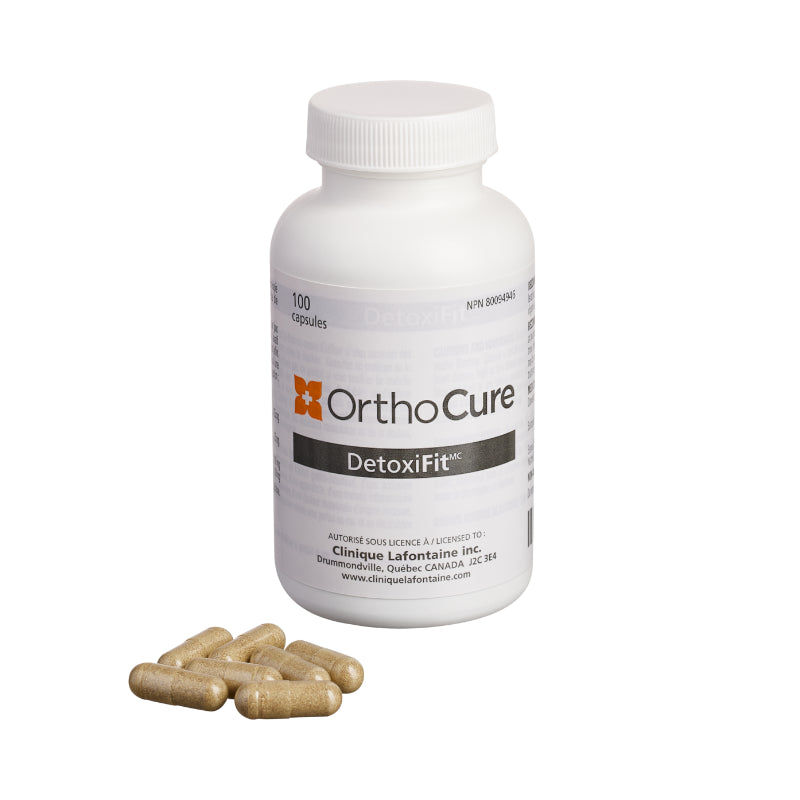
Ovoid in shape, it is located under the diaphragm. The liver as well as the gallbladder provide a certain number of essential functions of the body. Due to the importance of this organ, diseases that affect it are often worrying. One of the main functions of the liver and gallbladder relates to digestion and the production of digestive enzymes which are discharged into the small intestine. However, the liver performs several important functions such as: control food metabolism; work with the body's immune system to fight harmful cells and substances that threaten the body (through a phenomenon called phagocytosis);); help the body digest fats by secreting bile which flows into the duodenum; help synthesize urea in order to excrete nitrogenous waste; produce fibrinogen used in the blood clotting process; store glycogen; intervene in the metabolism and storage of vitamins and produce, among other things, protective and anti-toxic substances. It is he who will in fact capture, transform and render harmless the toxic substances to which we may be exposed by eating, drinking or breathing. The bile-producing vesicle The gallbladder serves to concentrate and store bile, which is produced in a diluted form by the liver, and to secrete this bile into the cystic ducts to discharge it into the duodenum, where its function will be to aid digestion. Bile is composed of cholesterol, bile salts and bile pigments. Crystallization of bile salts in the gallbladder can lead to the development of gallstones, which often requires surgical intervention. Multiple conditions There are many conditions that can harm the proper functioning of the liver. They can be due to exposure to toxic substances (such as alcohol), viruses (such as Hepatitis C and Hepatitis B viruses), genetic abnormalities, metabolic disorders, cancerous diseases.… These liver diseases can manifest themselves with different symptoms. For example : Fatigability; Kidney problems; Sexual disorders; Jaundice, increased abdominal volume, edema, etc. Reference: Dr Vital To prevent these risks or to relieve them, medicinal plants are an excellent solution. Every adult would in fact advantage of doing the DetoxiFit program annually to maintain good health.
Read more
the impact of music on pain
Music, a gentle solution A study showed that patients suffering from chronic pain saw their pain alleviated by listening to music for an hour a day. The attenuation could be of the order of 21%. Depressive states associated with pain also had a regression of around 25%. For the purposes of the study, a third of a group of around sixty people, suffering from osteoarthritis, rheumatoid arthritis or chronic spinal problems, was asked to listen to their music. favorites using earphone. The second third had to choose from pieces of relaxation music. The last third had no music. According to the author of this study, between the first and second thirds, few differences were noted. The pain regression was almost identical. Which was not the case with the third third. These results are very encouraging, given the difficulty in treating this chronic pain with medication. Other studies carried out in the past had already demonstrated the virtues of music on anxiety, anguish, and post-surgical pain. Music also increases the quality of sleep. This is one more reason to use relaxation music in our work areas as ambiance and during our massage therapy treatments!
Read more
Single-use bedding:Reduce laundry and optimize hygiene!
In massage therapy, disposable bedding is available in flat sheets, fitted sheets And disposable headrest protectors. Depending on your needs, the protections can all be purchased separately. Use disposable bedding for impeccable hygiene In high season, flu or during the period of personal care, the use of disposable products for bedding guarantees cleanliness and avoids the spread of harmful substances such as microbes, from one customer to another. Single-use bedding has benefits for both the therapist and the client. The protections allow therapists to reduce the handling of bedding, such as washing and drying, since everything is thrown into the trash. And being 100% recyclable, this will appeal to eco-responsible people. It also avoids disinfection costs. Ideal for mud or seaweed body wraps, these items are gentle on your reusable bedding. So here's another long-term cost reduction. Perfect for covering sports training and home care, no bedding to bring back to the clinic, no washing to do either. Practical, everything is installed easily and quickly. Disposable non-woven bedding, a material with multiple advantages Disposable bedding products are mainly offered in non-woven fabric, a synthetic material resulting from new technologies. It provides a pleasant sensation to the touch, close to that of cotton, and prevents irritation, even for customers with the most sensitive skin. Comfortable and tear-resistant, this material allows the skin to breathe. Due to its many advantages, non-woven is present in the field of massage therapy, but also in the medical field. Disposable fitted sheets and disposable non-woven paper rolls, to put on the massage or treatment table These products attach easily to your table and provide softness when in contact with the skin.
Read more
How to treat cold sores?
What is cold sores? Herpes labialis is usually known by the popular names “ cold sore ” or “ cold sore ”. It manifests itself by the appearance of a cluster of painful vesicles, most often on and around the lips. Exceptionally, these small pimples can appear inside the nose, on the edge of an ear, on the chin or on a cheek. Herpes labialis is actually an infection caused by a virus. Here's the trick to treating it: First apply Lemon essential oil ; Then, apply a Moisturizing Renewing Cream , and voila!
Read more
Simple solution to relieve a headache
A headache is always unpleasant! Headaches are actually often caused by nervousness or stress. If so, this is the peppermint essential oil you need! Procedure Apply a drop of peppermint (anesthetic) to the temples, between the eyes and on the forehead. Then let it work. Be careful not to rub your eyes with your fingers
Read more
10 tips to relieve nasal congestion naturally
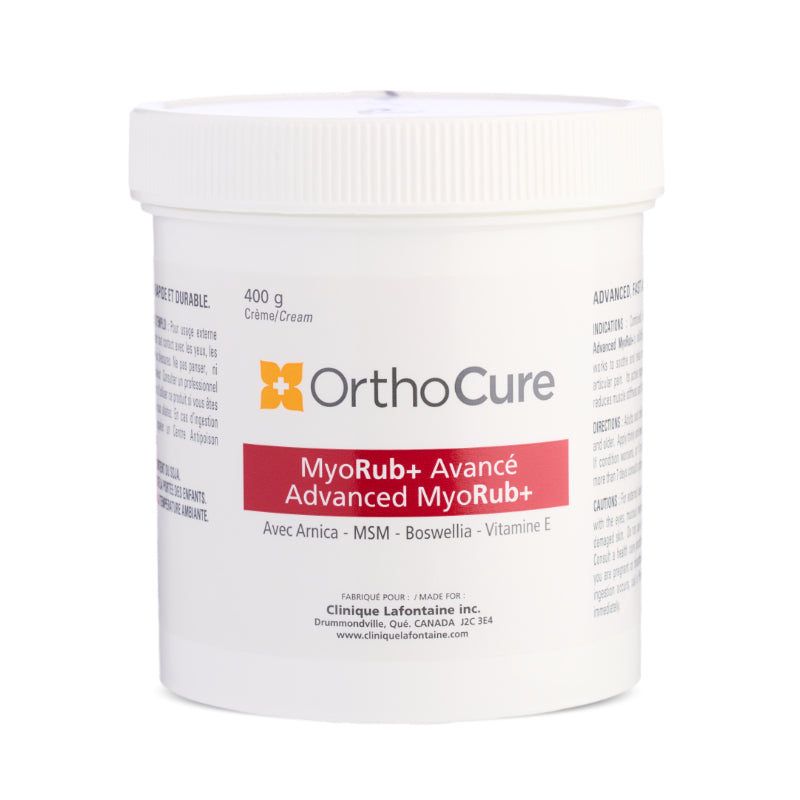
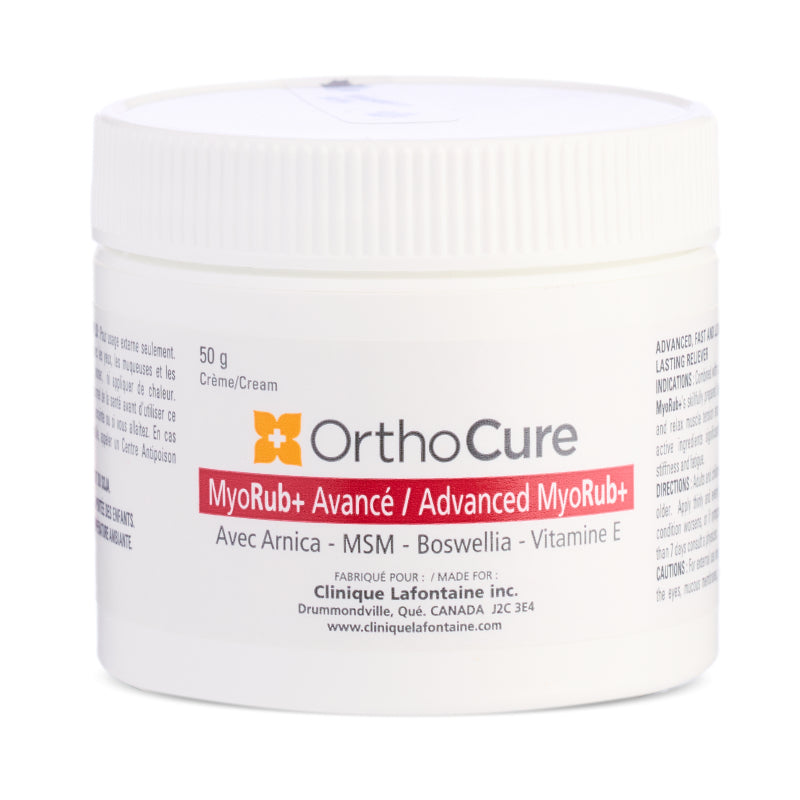
Here are some tips to relieve nasal congestion naturally. Cut out dairy products completely. Eat fruits and vegetables several times a day. Ingestion of garlic and onions is recommended. Drink plenty of water 8 to 10 glasses of water per day. Here is a little beneficial drink: The juice of a fresh lemon with 1 tbsp. of lavender honey in 1 cup of hot water. Then drink in small sips while breathing well.. Hot liquids will do a lot of good (vegetable broths). Humidify the house. Breathe warm salt water through your nose (when possible). Steam bath with essential oil thyme oreucalyptus in water. Keep your eyes closed when inhaling the steam, as essential oils and steam may irritate your eyes OR pour eucalyptus or thyme essential oil on a few tissues and breathe in them when you are congested. Rub the bottom of the feet with the Aromaceutical Formula Decongestion (only a few drops). Then put a thin layer of MyoRub+ and wear warm socks to sleep. Wash your hands thoroughly with soap after application. Place the pair of stockings in the microwave for 30 seconds or in the oven at 250 degrees for 5-6 minutes before putting them on your frozen feet. Take someeucalyptus essential oil at a rate of 3 drops morning and evening. Note: The use of essential oils containing menthol and campheol helps to clear the upper and lower respiratory tract. In small children: we can help decongest the nose by collecting secretions with a dropper or a bulb provided for this purpose.
Read more
Little natural anti-odor recipe
Odor problem? The odor problem is often due to the composition of the skin flora, which, in turn, is influenced by the glandular state (intoxication). Certain essential oils, such as Cypress , Eucalyptus and Lavender , help reduce and sometimes even eliminate bad odors. Recipe Dilute the essential oil of your choice in sweet almond oil or mix them with talcum powder. Then, apply this preparation to the armpits or soles of the feet. Also don't forget detoxification with a treatment... DetoxiFit .
Read more